
Leather is one of the most versatile and valuable materials used in fashion, accessories, furniture, automotive interiors, and luxury products. With its unique texture, durability, and timeless appearance, leather continues to be a preferred choice for brands and manufacturers worldwide.
For businesses developing custom leather products, selecting the right leather material is one of the most important decisions during the product development process. Different types of leather offer different levels of durability, appearance, flexibility, and cost.
This comprehensive guide will introduce the most common leather materials, explain their characteristics, and help brands choose the right leather for their custom products.
1. Understanding Leather Materials
Leather is a natural material created by processing animal hides through a series of treatments called tanning. The tanning process improves the durability, flexibility, and resistance of the material while preserving its natural texture.
In custom leather manufacturing, material selection directly affects:
- Product appearance
- Durability and lifespan
- Production cost
- Customer experience
- Brand positioning
A professional leather manufacturer usually provides various material options based on the product design, target market, and budget requirements.
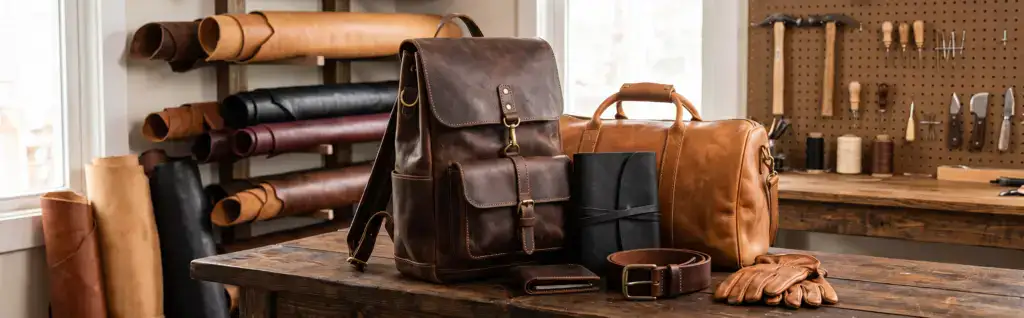
Common leather products include:
- Leather handbags
- Wallets
- Belts
- Watch straps
- Passport holders
- Leather accessories
- Luxury goods
- Corporate gifts
Choosing the right leather material helps brands create products that match their quality standards and market expectations.
2. Main Types of Leather Materials
Different leather materials have unique features and applications. Understanding their differences helps businesses make better decisions during product development.
2.1 Full Grain Leather
Full grain leather is considered one of the highest-quality leather materials available.
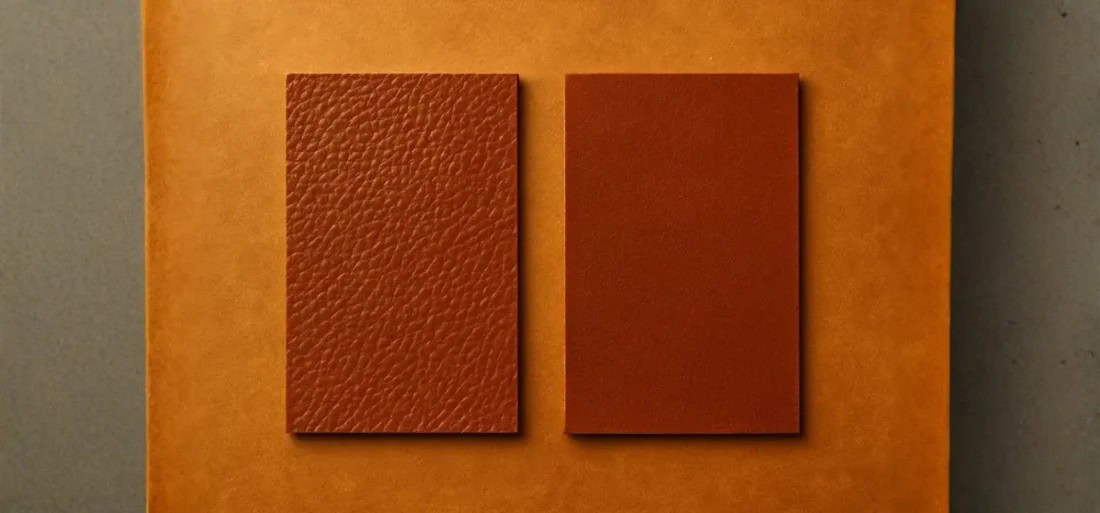
It is made from the top layer of the animal hide without removing the natural grain surface. This means the leather maintains its original texture, pores, and natural markings.

Characteristics of Full Grain Leather
Key advantages include:
- Excellent durability
- Natural grain appearance
- Premium texture
- Long-lasting performance
- Develops a unique patina over time
Because of its premium quality, full grain leather is commonly used for:
- Luxury handbags
- Premium wallets
- High-end belts
- Designer accessories
Full grain leather is an excellent choice for brands that focus on luxury positioning and long-term product value.
2.2 Top Grain Leather
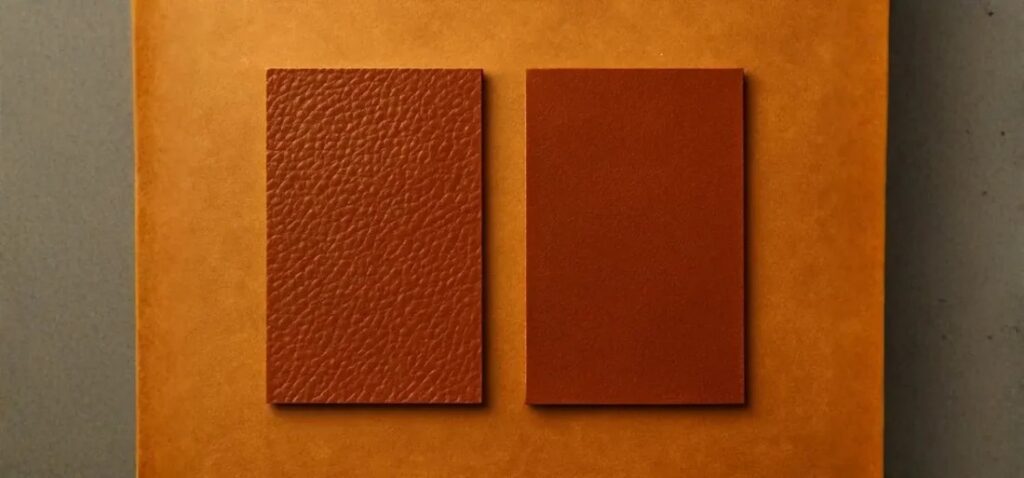
Top grain leather is another high-quality leather option widely used in commercial leather manufacturing.
During processing, the surface is lightly corrected to remove natural imperfections while maintaining the strength of the material.
Advantages of Top Grain Leather
Top grain leather offers:
- Smooth and consistent appearance
- Good durability
- Soft texture
- Easier maintenance compared with full grain leather
It is commonly used for:
- Fashion handbags
- Business accessories
- Wallets
- Premium leather goods
For many brands, top grain leather provides a good balance between luxury appearance and production cost.
2.3 Genuine Leather
Genuine leather is made from real animal hide but is processed differently from full grain and top grain leather.
It is often used for products that require real leather quality while maintaining competitive pricing.

Features of Genuine Leather
Benefits include:
- Real leather material
- Affordable pricing
- Flexible applications
- Various finishing options
Genuine leather is commonly used for:
- Everyday wallets
- Belts
- Accessories
- Promotional products
It is a practical option for brands targeting mid-range markets.
2.4 PU Leather (Synthetic Leather)
PU leather is a synthetic material made by applying polyurethane coating to a fabric base.
It is widely used because it provides a leather-like appearance at a more affordable price.
Advantages of PU Leather
PU leather offers:
- Wide color selection
- Consistent surface appearance
- Lower production cost
- Easy maintenance
- Lightweight performance
Common applications include:
- Fashion accessories
- Vegan leather products
- Large-volume production items
- Trend-based products
For brands requiring cost-effective solutions or animal-free alternatives, PU leather can be an ideal choice.
2.5 Suede Leather
Suede leather is created from the inner surface of animal hides, producing a soft and textured finish.
Its unique velvet-like appearance makes it popular in fashion products.
Features of Suede Leather
Advantages include:
- Soft touch
- Elegant appearance
- Unique texture
- Comfortable feel
Suede leather is often used for:
- Fashion handbags
- Shoes
- Jackets
- Decorative leather products
However, suede requires more careful maintenance because it is more sensitive to moisture and stains.
2.6 Embossed Leather
Embossed leather is created by pressing patterns or textures onto the leather surface.
This process allows manufacturers to create unique visual effects.
Popular embossed patterns include:
- Crocodile pattern
- Snake pattern
- Geometric textures
- Custom brand patterns
Benefits of Embossed Leather
It provides:
- Unique appearance
- Design flexibility
- Luxury visual effects
- Consistent patterns
Embossed leather is often used for premium fashion accessories and customized brand collections.
3. How to Choose the Right Leather Material for Your Product
Selecting the right leather depends on several important factors, including product purpose, target customers, and production requirements.
3.1 Consider Product Usage
Different products require different leather characteristics.
For example:
Wallets and Card Holders
Recommended materials:
- Full grain leather
- Top grain leather
- Genuine leather
These materials provide durability because wallets are used frequently.
Handbags
Recommended materials:
- Full grain leather
- Top grain leather
- Embossed leather
- Suede leather
Handbags often require a balance between appearance and structural strength.
Promotional Products
Recommended materials:
- PU leather
- Genuine leather
These options provide better cost control for large quantities.
3.2 Consider Brand Positioning
Leather selection should match your brand image.
Luxury brands often choose:
- Full grain leather
- Premium cowhide
- Specialty leather
Fashion brands may prefer:
- PU leather
- Embossed leather
- Colorful leather options
Choosing the right material helps create a consistent brand identity.
3.3 Consider Production Quantity and Budget
Material choice also affects manufacturing costs.
For large-volume production, brands may choose materials that offer:
- Stable supply
- Competitive pricing
- Consistent quality
For limited luxury collections, premium leather materials may provide greater product value.
4. Leather Finishing and Customization Options
Beyond selecting the leather type, manufacturers can customize the appearance and performance through different finishing techniques.
4.1 Leather Color Customization
Professional leather suppliers can provide customized colors based on brand requirements.
Options include:
- Classic black and brown
- Custom Pantone colors
- Seasonal fashion colors
4.2 Surface Treatment
Different treatments can improve leather appearance and durability.
Common processes include:
- Matte finishing
- Gloss finishing
- Oil finishing
- Vintage effects
- Protective coating
4.3 Logo and Branding Customization
For private label leather products, manufacturers can add branding through:
- Embossed logos
- Debossed logos
- Metal badges
- Laser engraving
- Printing
These techniques help businesses create unique products for their customers.
5. Why Material Selection Matters in Custom Leather Manufacturing
Material selection is a critical step in the custom leather manufacturing process.
The right leather material can improve:
- Product quality
- Customer satisfaction
- Brand reputation
- Market competitiveness
Working with an experienced leather manufacturer allows businesses to access professional advice about:
- Suitable leather types
- Material performance
- Production requirements
- Cost optimization
A reliable manufacturing partner can help transform design ideas into high-quality leather products.
6. Conclusion
Leather materials play a crucial role in determining the quality, appearance, and value of leather products.
From premium full grain leather to cost-effective PU leather, every material has its own advantages and suitable applications.
For brands developing custom leather products, understanding different leather types helps make better decisions during product development.
By choosing the right material and working with an experienced custom leather manufacturer, businesses can create durable, attractive, and market-ready leather products that meet customer expectations.
Whether you are developing luxury leather goods, private label collections, or OEM leather products, selecting the right leather material is the foundation of successful product manufacturing.