
In the global leather goods industry, brands are constantly looking for reliable ways to develop unique products, improve production efficiency, and build strong market competitiveness. For companies that want to create custom leather products, OEM and ODM leather manufacturing have become two of the most popular cooperation models.
Whether you are a fashion brand, retailer, startup company, or corporate gift supplier, choosing the right manufacturing model can significantly affect your product quality, development speed, and overall business success.
Understanding the difference between OEM and ODM leather manufacturing helps businesses select the right partner and create high-quality leather products that meet their market requirements.
1. What Is OEM and ODM Leather Manufacturing?
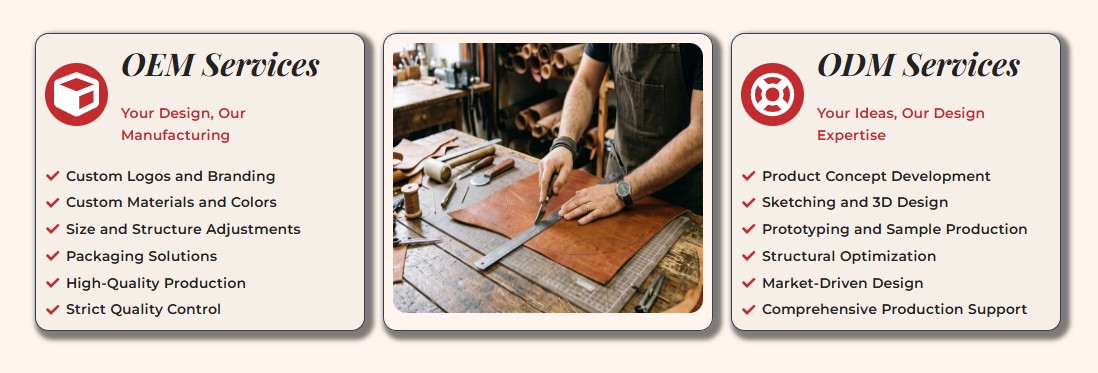
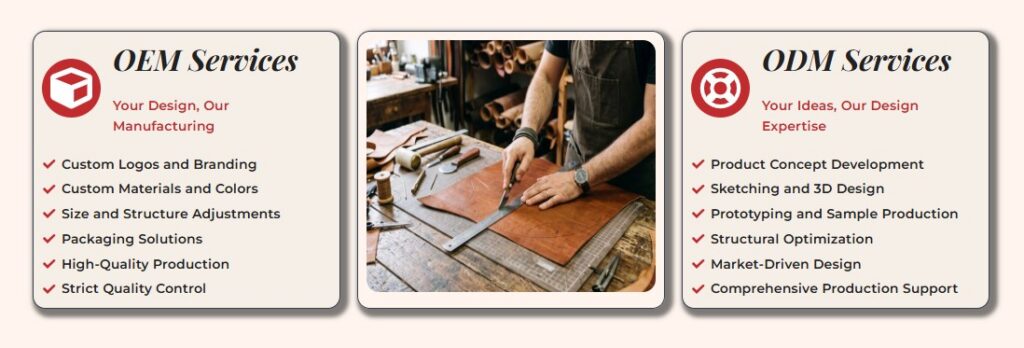
OEM and ODM are two common manufacturing models used by leather manufacturers worldwide. Although they are often mentioned together, they represent different approaches to product development and production.
A professional leather manufacturer can provide both OEM and ODM services, helping brands transform ideas into finished leather products.
These services usually include:
- Product design support
- Material selection
- Prototype development
- Custom production
- Logo customization
- Quality inspection
- Packaging solutions
- Global shipping support
By working with an experienced leather factory, businesses can reduce development costs while maintaining control over product quality and branding.
2. What Is OEM Leather Manufacturing?
OEM stands for Original Equipment Manufacturer. In an OEM leather manufacturing partnership, the customer provides the product concept, design, specifications, or samples, and the manufacturer produces the products according to the customer’s requirements.
The manufacturer is responsible for turning the customer’s ideas into finished products while following the provided design standards.
2.1 How OEM Leather Manufacturing Works
The OEM process usually includes several important stages.
Product Design Submission
The customer provides:
- Product drawings
- Technical specifications
- Existing samples
- Material requirements
- Size and color details
The manufacturer reviews the design and evaluates production feasibility.
Prototype Development
Before mass production, the factory creates a sample product.
The prototype allows customers to check:
- Product structure
- Leather quality
- Stitching details
- Hardware components
- Logo placement
Any necessary improvements can be made before production begins.
Mass Production
After sample approval, the manufacturer starts bulk production according to the confirmed specifications.
The factory manages:
- Material preparation
- Cutting
- Sewing
- Assembly
- Quality inspection
- Packaging
OEM manufacturing gives brands full control over product design and brand identity.
2.2 Advantages of OEM Leather Manufacturing
OEM is an excellent option for brands that already have their own product ideas.
Key benefits include:
Complete Product Customization
Brands can create products based on their own designs, ensuring unique market positioning.
Strong Brand Identity
Since the product is designed by the brand, companies can create exclusive collections that represent their style.
Production Expertise
Manufacturers provide professional production capabilities, skilled workers, and manufacturing experience.
Cost Efficiency
Working directly with a factory helps brands reduce production costs compared with developing products independently.
3. What Is ODM Leather Manufacturing?
ODM stands for Original Design Manufacturer.
Unlike OEM, ODM manufacturers provide existing product designs that customers can customize and sell under their own brand.
The manufacturer handles much of the product development process, including design, engineering, and production.
ODM is ideal for businesses that want to launch leather products quickly without creating designs from scratch.
3.1 How ODM Leather Manufacturing Works
The ODM process usually follows these steps:
Product Selection
Customers choose from the manufacturer’s existing product designs.
Examples include:
- Leather wallets
- Handbags
- Card holders
- Passport covers
- Leather accessories
Customization
Customers can modify different elements, such as:
- Leather material
- Product colors
- Logo design
- Hardware accessories
- Packaging
This allows brands to create customized products while reducing development time.
Production and Delivery
After confirming customization details, the manufacturer produces the products and prepares them for delivery.
ODM provides a faster way for businesses to enter the leather goods market.
4. OEM vs ODM Leather Manufacturing: Key Differences
Although OEM and ODM both involve working with professional manufacturers, they have several important differences.
4.1 Design Responsibility
OEM Manufacturing
The customer provides the design, and the manufacturer focuses on production.
The brand controls:
- Product concept
- Product structure
- Materials
- Appearance
ODM Manufacturing
The manufacturer provides the design, while the customer selects and customizes the product.
The factory takes more responsibility for:
- Product development
- Design solutions
- Engineering improvements
4.2 Development Time
OEM projects usually require more time because products are developed from original concepts.
The process may include:
- Design confirmation
- Sample development
- Testing
- Production adjustments
ODM projects are generally faster because existing designs can be modified and produced quickly.
4.3 Customization Level
OEM provides a higher level of customization because products are created from the customer’s ideas.
ODM provides flexible customization but usually works within the manufacturer’s existing product range.
4.4 Cost Consideration
OEM projects often require higher initial investment because they involve:
- New designs
- New molds
- Prototype development
- Product testing
ODM is usually more cost-effective because product development costs are already covered by the manufacturer.
5. Which Manufacturing Solution Is Right for Your Brand?
Choosing between OEM and ODM depends on your business goals, resources, and product strategy.
5.1 Choose OEM If You Need:
OEM leather manufacturing is suitable for:
- Established brands
- Companies with unique designs
- Luxury product lines
- Businesses seeking exclusive products
OEM allows companies to create products that are completely different from competitors.
5.2 Choose ODM If You Need:
ODM leather manufacturing is suitable for:
- New brands
- Startups
- Retailers entering the market
- Companies with limited design resources
ODM helps businesses launch products faster with lower development costs.
6. Customization Options in OEM and ODM Leather Manufacturing
Professional leather manufacturers can provide various customization options for both OEM and ODM projects.
6.1 Leather Material Selection
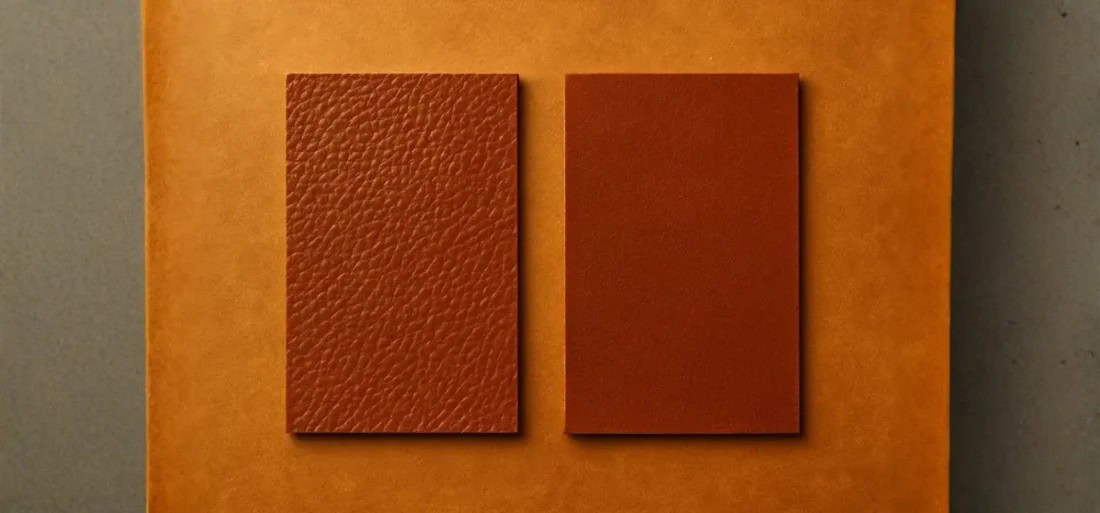
Brands can choose from different materials, including:
- Full grain leather
- Top grain leather
- Genuine leather
- PU leather
- Suede leather
- Embossed leather
Material selection affects product appearance, durability, and pricing.
6.2 Logo and Branding Customization
Manufacturers can apply brand logos through:
- Embossing
- Debossing
- Laser engraving
- Metal logo plates
- Printing
These options help businesses create recognizable branded products.
6.3 Packaging Customization
For private label projects, manufacturers can provide:
- Custom boxes
- Dust bags
- Product labels
- Brand cards
Customized packaging improves the overall customer experience.
7. How to Choose a Reliable OEM and ODM Leather Manufacturer?
Selecting the right manufacturing partner is essential for long-term business success.
7.1 Check Manufacturing Experience
A reliable manufacturer should have experience producing similar leather products and serving international customers.
Look for:
- Professional production facilities
- Skilled craftsmanship
- Quality management systems
- Export experience
7.2 Evaluate Customization Capability
A strong manufacturing partner should support:
- Material customization
- Product development
- Small batch orders
- Large-scale production
- Private label services
7.3 Focus on Quality Control
Quality control ensures every product meets brand expectations.
Professional factories should inspect:
- Leather quality
- Stitching accuracy
- Hardware performance
- Product appearance
- Packaging standards
8. Conclusion
OEM and ODM leather manufacturing provide flexible solutions for brands looking to develop high-quality leather products.
OEM is ideal for businesses that have unique product designs and require complete customization, while ODM is suitable for companies that want faster product development with lower investment.
By partnering with an experienced OEM and ODM leather manufacturer, businesses can access professional craftsmanship, reliable production capabilities, and customized solutions to build successful leather product collections.
Whether you are launching a new leather brand or expanding an existing product line, choosing the right manufacturing model is an important step toward achieving long-term growth in the global leather market.